Teach Different

Latest episode ·

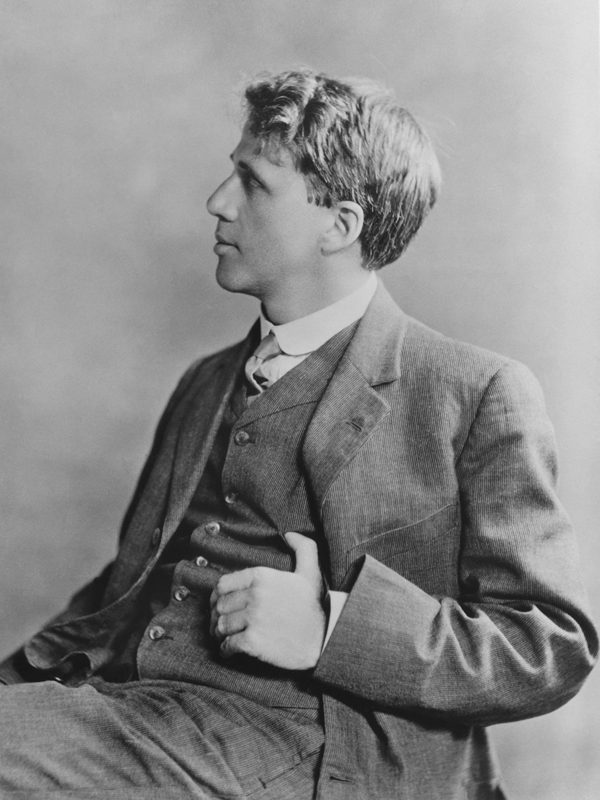
“The best way out is always through.”

Robert Frost 1874–1963

Robert Frost (1874 to 1963) wrote this line in 1914, in a dramatic poem about a Vermont farm wife exhausted by endless labor and the memory of madness in her family. The speaker uses the phrase to describe how she handles overwhelming work: the only way to get past it is to go straight through it, day after day.

This week’s movesClaim · Counterclaim · Essential question · Storytelling

Every episode since 2020, each with a plan you can teach on Monday.

Browse the archive ↓

The archive

Every episode since 2020.

Search a quote, an author, or a year. Play it here, or open the episode for the transcript and the full conversation plan.

216 episodes

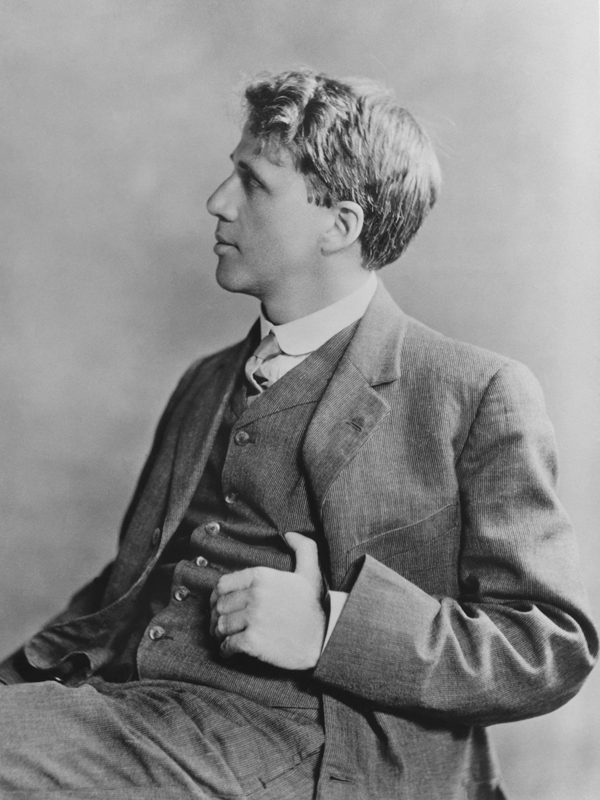
“The best way out is always through.”

Robert Frost 1874–1963

Robert Frost (1874 to 1963) wrote this line in 1914, in a dramatic poem about a Vermont farm wife exhausted by endless labor and the memory of madness in her family. The speaker uses the phrase to describe how she handles overwhelming work: the only way to get past it is to go straight through it, day after day.

When does stepping back from a problem work better than pushing through it?
 
Read the transcript

“One finger cannot lift a pebble.”

Attributed to Hopi Proverb

This proverb appears in collections of Hopi wisdom, though no original source has been found. The Hopi people of northeastern Arizona have lived in the same region for over a thousand years, farming in a harsh climate that requires communal work: building terraces, managing shared water, and coordinating planting.

When does a task require cooperation, and when does it just require one person working harder?

 
Read the transcript

“Leap, and the net will appear.”

Attributed to John Burroughs 1837–1921

John Burroughs (1837 to 1921) was an American naturalist and essayist who wrote about birds, wildlife and rural life in the Catskill Mountains. No record of this quote exists in his published essays, journals or letters, and the phrasing does not match his plain, observational style.

When should you move without knowing where you will land?

 
Read the transcript

“All dreams spin out from the same web.”

Attributed to Hopi Proverb

This line travels almost everywhere under Mother Teresa's name, and it appears in none of her published writing. No earlier speaker has been traced either, so it arrives with no owner: a sentence a great many people have found true without ever knowing who said it first.

Can you judge someone and love them at the same time?

 
Read the transcript

“If you judge people, you have no time to love them.”

Attributed to Mother Teresa 1910–1997

Mother Teresa (1910 to 1997) spent most of her life running homes for the dying, orphanages and clinics in Calcutta, work that won her the Nobel Peace Prize in 1979. Though this quote is widely attributed to her, no primary source has been found, and the wording seems to have appeared in quotation collections only after her death.

Can you love someone while judging their actions?

 
Read the transcript

“Whenever you find yourself on the side of the majority, it is time to pause and reflect.”

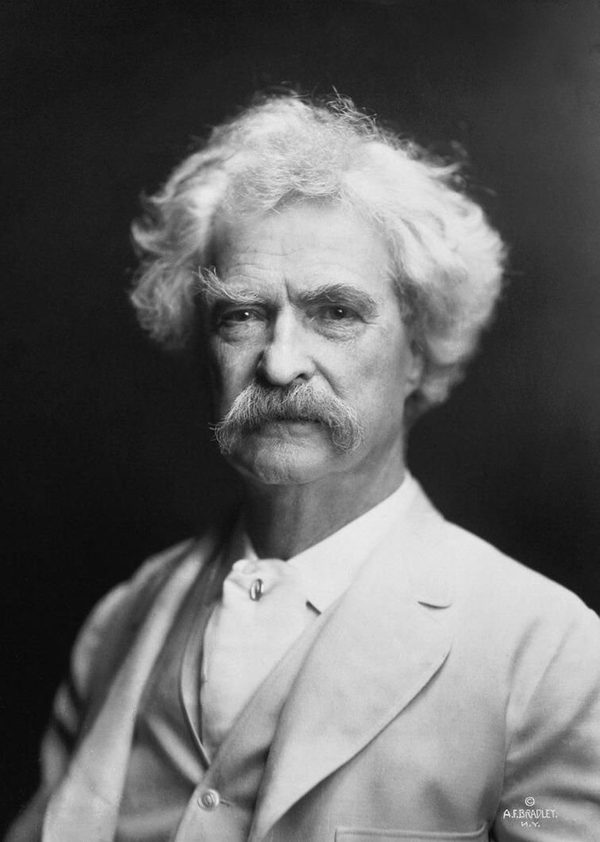
Mark Twain 1835 to 1910

Mark Twain (1835 to 1910) set this down in a notebook in October 1904, four months after his wife died and in the middle of the decade he spent as a vice president of the Anti-Imperialist League, writing against an American public overwhelmingly pleased with empire.

Does the fact that most people agree with you make you more likely to be right, or less?

 
Read the transcript

“Don't ask what the world needs. Ask what makes you come alive and go do it, because what the world needs is people who have come alive”

Attributed to Howard Thurman 1899 to 1981

This line is attributed to Howard Thurman (1899 to 1981), the theologian who wrote Jesus and the Disinherited and co-founded the first major interracial congregation in the United States, and it reaches us through a listener who recalled hearing him say it in conversation in the mid 1970s, when Thurman had retired to San Francisco and spent his days counseling younger people who came looking for direction.

Should you choose your work by what the world needs or by what makes you come alive?

 
Read the transcript

“I never lose. I either win or learn.”

Attributed to Nelson Mandela 1918 to 2013

This line is attributed to Nelson Mandela (1918 to 2013), though it appears in none of his speeches or writing and is missing from the authorised collection of his quotations that his own foundation assembled from its archive. It began circulating after his death, and it is quoted here as a saying that found his name rather than as something he is known to have said.

Is there such a thing as a loss you learn nothing from?

 
Read the transcript

“My response to racism is anger.”

Audre Lorde 1934–1992

Was a poet and essayist who opened a 1981 speech called The Uses of Anger with this exact line, then spent the rest of it explaining that anger pointed straight at injustice is a source of energy rather than a loss of control.

Should anger be expressed when facing injustice, or controlled to avoid conflict?

 
Read the transcript

“A society grows great when old men plant trees whose shade they know they shall never sit in.”

Greek Proverb

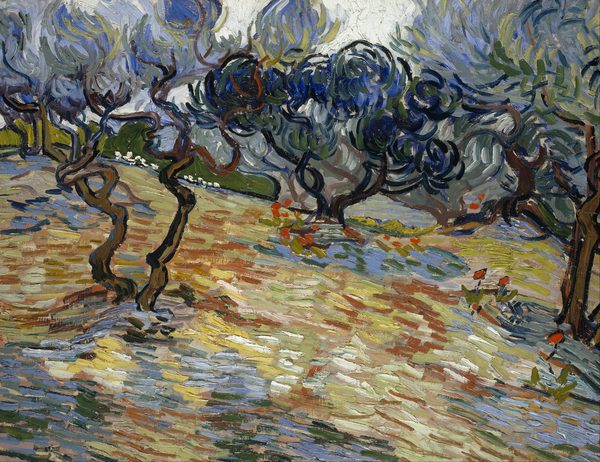
This line is usually quoted as a Greek proverb, though no original speaker has ever been traced. Its picture comes from the olive and fig groves of the ancient Mediterranean, where a tree took decades to give real shade, so the person who planted it was rarely the person who sat under it.

Should we focus more on immediate rewards or long-term contributions to others?

 
Read the transcript

“My humanity is caught up in yours.”

Archbishop Desmond Tutu 1931–2021

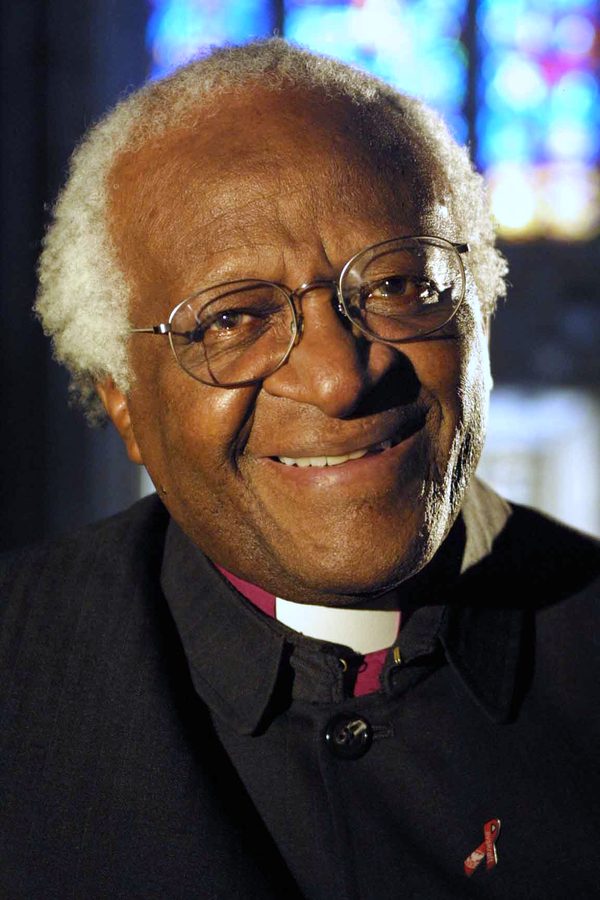
Was the Anglican archbishop who chaired South Africa's Truth and Reconciliation Commission, where victims and the people who had harmed them sat in the same room, and where he kept returning to ubuntu, the idea that a person becomes a person through other people.

Are we shaped more by our individual choices or by our relationships with others?

 
Read the transcript

“You don't win a war by talking to the enemy.”

Attributed to Margaret Thatcher 1925–2013

Led Britain for eleven years on a reputation for never yielding, holding that line through the Falklands War and through an IRA bombing campaign that nearly killed her in 1984.

When does talking to an opponent make you stronger, and when does it make you weaker?

 
Read the transcript

“If you fall behind, run faster. Never give up, never surrender, and rise up against the odds.”

Attributed to Rev. Jesse Jackson born 1941

Rev. Jesse Jackson built a career on calling crowds of people to their feet, ran for president twice, and made the line about keeping hope alive part of American speech. This particular sentence circulates everywhere under his name without a speech or a date attached to it.

When you are behind, is running faster the answer or the trap?

 
Read the transcript

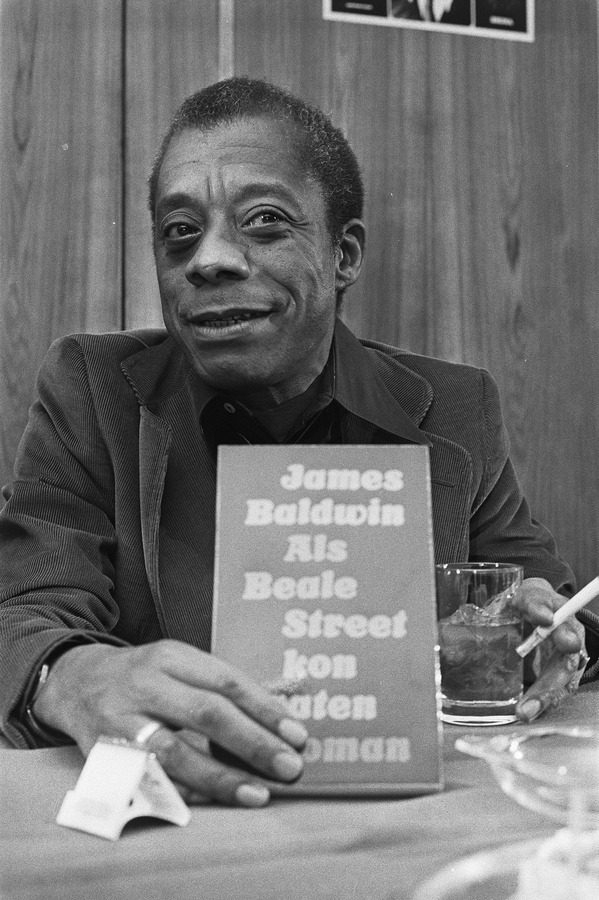
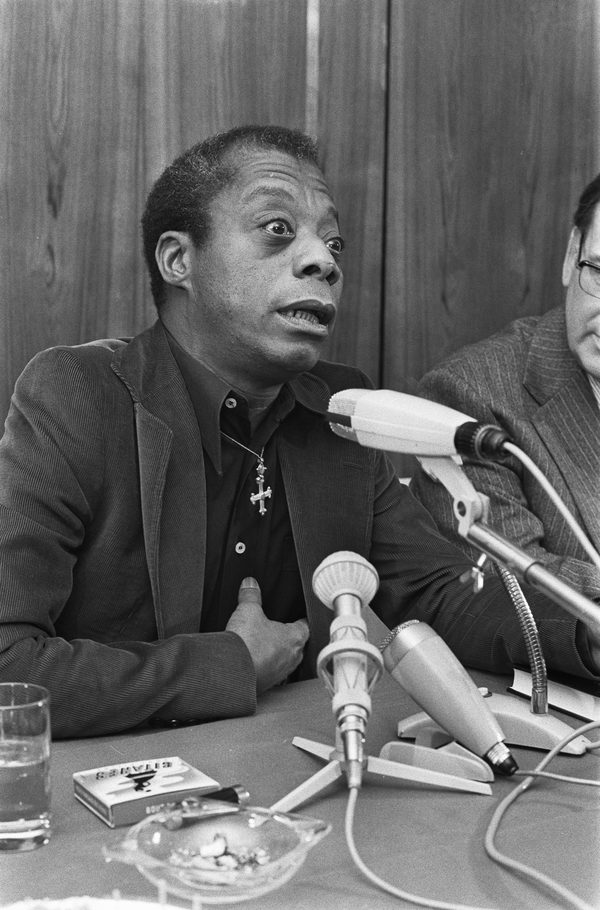
“People pay for what they do, and still more for what they have allowed themselves to become, and they pay for it very simply by the lives they lead.”

James Baldwin 1924–1987

James Baldwin wrote this in No Name in the Street in 1972, a book he worked on for years while the friends it was about were killed one after another. He was writing about a whole country avoiding a reckoning, not about individual bad behavior.

Is who you become a consequence you pay, or a cost other people carry for you?

 
Read the transcript

“Don't be overcome by evil, but overcome evil with good.”

Romans 12:21

This is the closing line of a letter Paul of Tarsus sent to Christians in Rome in the first century, a small and unpopular group in a hostile city, telling them how to treat the neighbours who despised them.

When someone wrongs us, is it better to answer in kind or to answer with good?

 
Read the transcript

“Fear is the mind killer.”

Frank Herbert 1920–1986

Wrote this as a litany his characters recite to steady themselves in Dune, a novel he built out of six years of research into deserts and the people who live in them.

Should fear be something we listen to or something we get past?

 
Read the transcript

“Courage is the most important of all virtues.”

Maya Angelou 1928–2014

Returned to this idea across her whole working life, holding that courage is what lets kindness or honesty actually happen instead of staying an opinion you keep to yourself.

Is courage the foundation of the other virtues, or one of them?

 
Read the transcript

Re-air

“It is better to be alone than in bad company.”

Attributed to George Washington

This line is attributed to George Washington, who copied out a hundred and ten rules of conduct as a schoolboy and kept them. The saying itself is older than he is and travels in Spanish as a proverb.

How much does the company you keep shape who you are?

 
Read the transcript

“As you start to walk on the way, the way appears.”

Attributed to Rumi 1207–1273

A Persian poet and teacher whose own life turned on a single unplanned meeting with a wandering mystic, after which he abandoned his settled career and began writing poetry.

Do we need it figured out before we begin, or does clarity come from moving?

 
Read the transcript

“This country will not be a good place for any of us to live in unless we make it a good place for all of us to live in.”

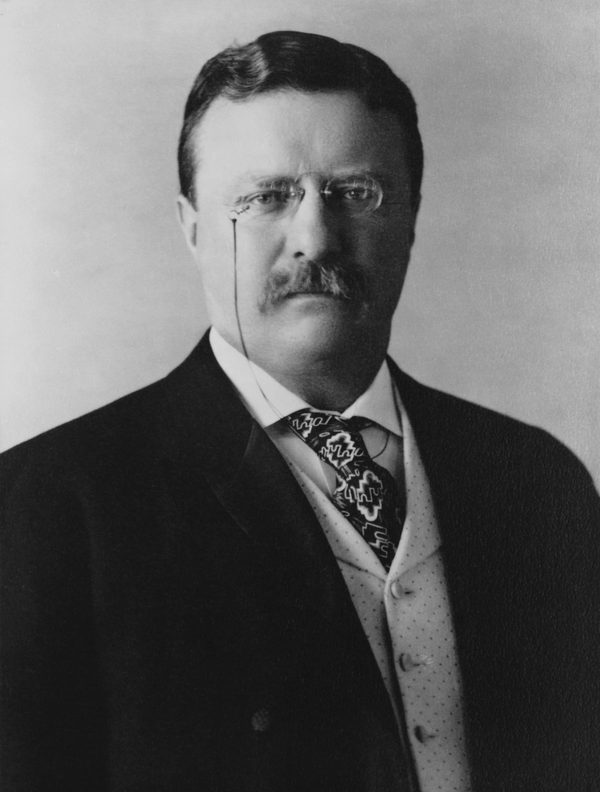
Attributed to Theodore Roosevelt 1858–1919

This line is attributed to Theodore Roosevelt (1858 to 1919), and it matches what he argued for after leaving office, when he ran again on a platform of labour rules and public health; no speech or letter containing the sentence has been located.

Should we work on the common good or on our own?

 
Read the transcript

“In a democracy, dissent is an act of faith”

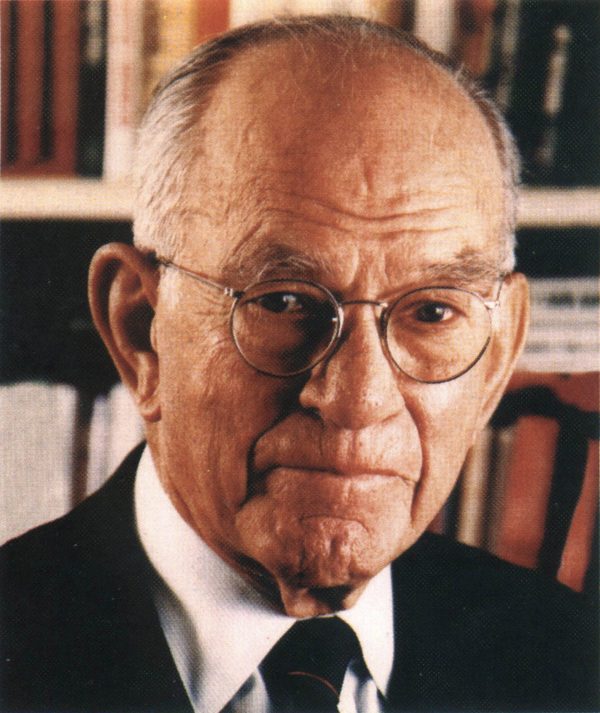
Attributed to J. William Fulbright 1905–1995

The Arkansas senator who chaired the Foreign Relations Committee and turned it against a war his own party was running; it circulates from his 1966 book The Arrogance of Power but has not been located in the text.

Is criticism a form of loyalty?

 
Read the transcript

“By failing to prepare, you are preparing to fail.”

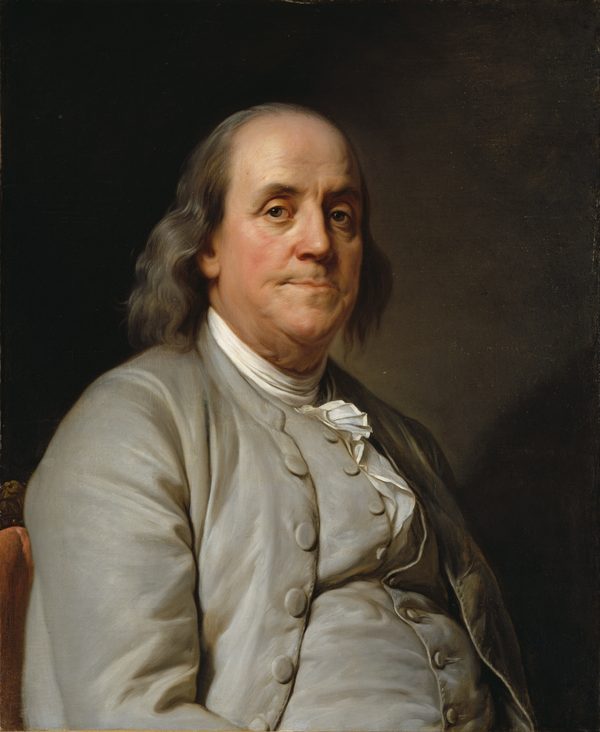
Attributed to Benjamin Franklin 1706–1790

This line is attributed to Benjamin Franklin (1706 to 1790), whose own almanacs are full of sayings shaped exactly like it, but the sentence has not been found in anything he wrote and turns up only long after his death.

Is preparation what decides the outcome?

 
Read the transcript

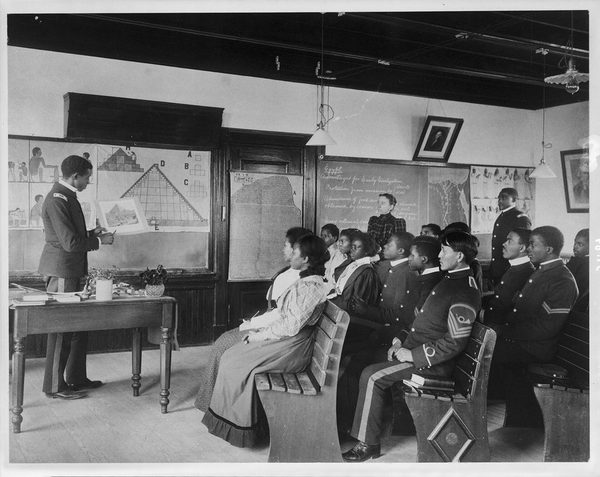
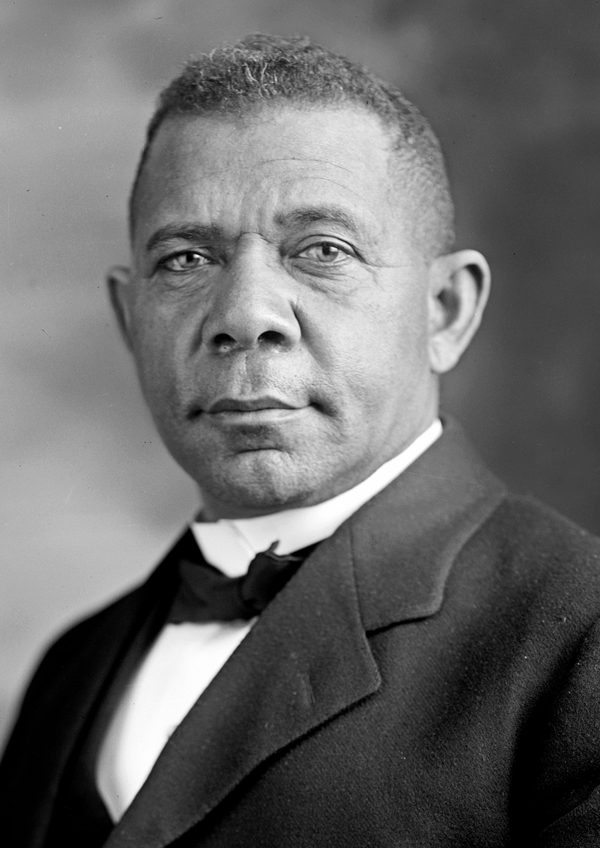
“Success is to be measured not so much by the position that one has as by the obstacles which he has overcome.”

Booker T. Washington 1856–1915

Booker T. Washington was born into slavery in Virginia and walked most of five hundred miles to reach Hampton Institute, arriving with fifty cents and sleeping under a boardwalk in Richmond on the way. He wrote this sentence in Up From Slavery in 1901, looking back on that walk rather than on the school he went on to build.

How much should where you started count in how we measure where you got to?

 
Read the transcript

“Peace is not the absence of conflict, but the ability to cope with it.”

Attributed to Mahatma Gandhi

This line has been printed under at least three names, Dorothy Thomas, Mahatma Gandhi and Ronald Reagan, and none of the three can be tied to it by anything they actually wrote or said. It seems to have entered circulation through mid-century American self-help writing and kept moving.

Is peace something you build, or something you settle for?

 
Read the transcript

“Knowing yourself is the beginning of all wisdom.”

Attributed to Aristotle 384–322 BCE

This line is attributed to Aristotle (384 to 322 BCE) and sometimes to Plato, and it is really a descendant of the older instruction carved at Delphi, know thyself, which both of them were arguing with rather than inventing.

Where does wisdom start, inside or outside?

 
Read the transcript

“Acceptance is the key to peace.”

Author Unknown

No author has been traced for this line, which appears across recovery groups, counselling rooms and self-help writing in almost identical wording, and belongs to all of them and none of them.

Does acceptance bring peace, or just quiet?

 
Read the transcript

“Trust is built with consistency.”

Attributed to Lincoln Chafee

This line is attributed to Lincoln Chafee, born in 1953, who served Rhode Island as senator and then governor and changed party twice while doing it; no speech or piece of writing containing the sentence has been located.

Is trust built slowly or decided in a moment?

 
Read the transcript

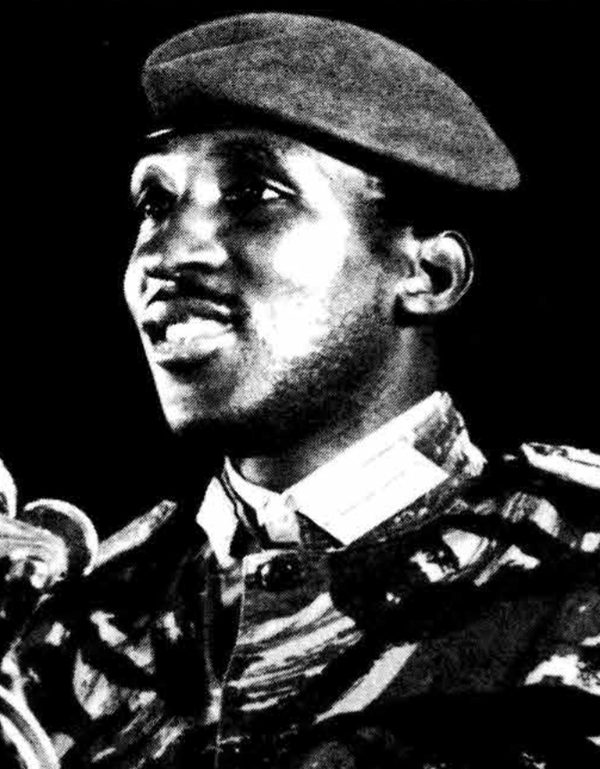
“He who feeds you, controls you.”

Thomas Sankara 1949–1987

Led Burkina Faso for four years and turned down foreign food aid and loans he believed came with conditions attached, planting and building instead. He was killed in a coup at thirty-seven.

How do you accept help without handing over control?

 
Read the transcript

“Each person is his own judge,”

Shawnee Proverb

This comes down as a Shawnee saying. Its claim is that the verdict that finally counts is the one you reach about yourself, which is either the most freeing idea in this library or the most dangerous.

Can you judge yourself honestly?

 
Read the transcript

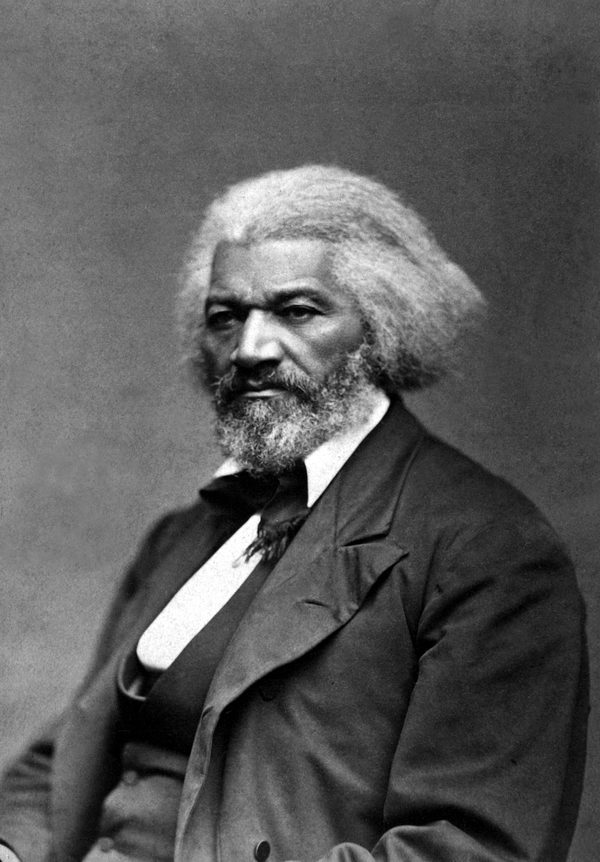
“Power concedes nothing without a demand.”

Frederick Douglass 1818–1895

Said this in 1857, twenty years after escaping slavery, to an audience that had been told repeatedly that patience would eventually be rewarded.

How do you get something from someone who does not want to give it?
 
Read the transcript

“To lose patience is to lose the battle.”

Attributed to Mahatma Gandhi 1869–1948

This line is attributed to Mohandas Gandhi (1869 to 1948), whose whole method depended on people willing to wait, absorb and keep waiting, sometimes for decades, without giving anyone an excuse to answer with force.

When does patience win, and when is it just waiting?

 
Read the transcript

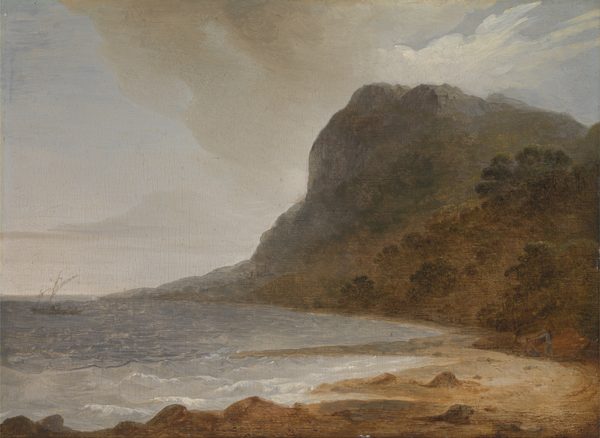
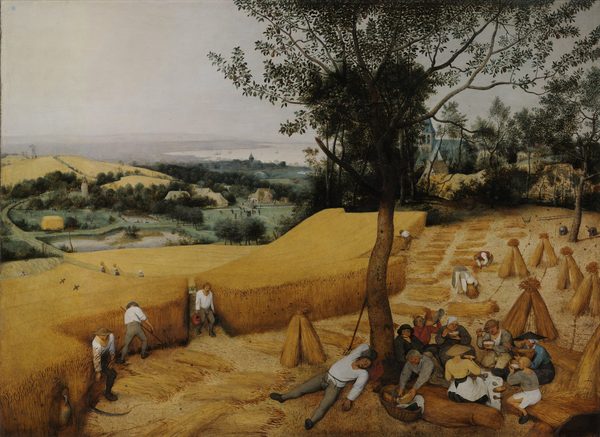
“The true measure of life is memory.”

Attributed to Walter Benjamin 1892–1940

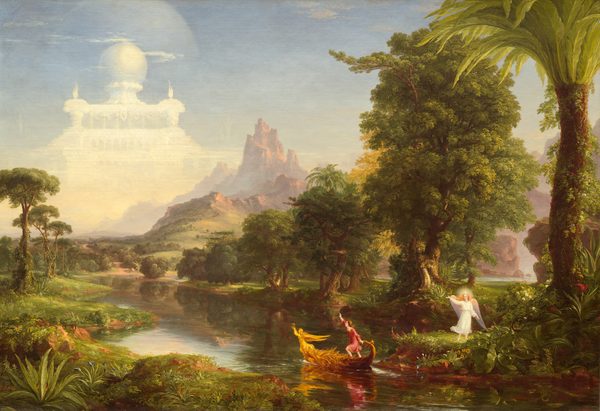
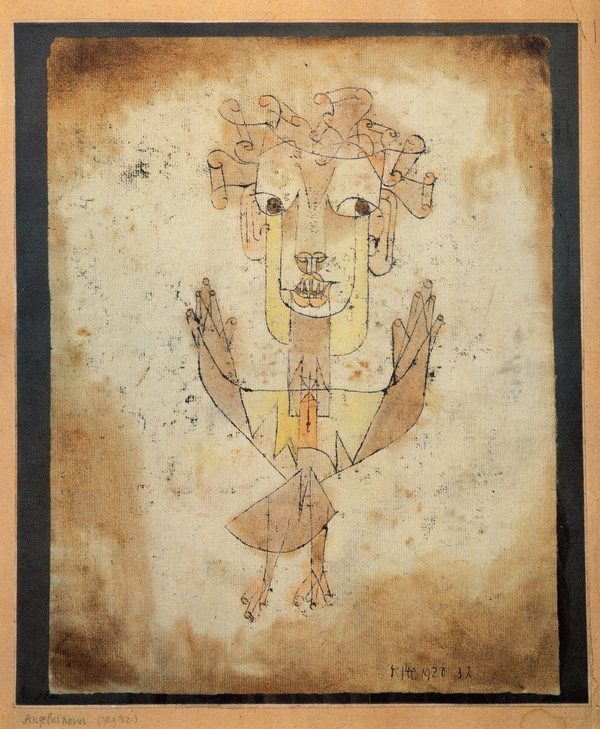
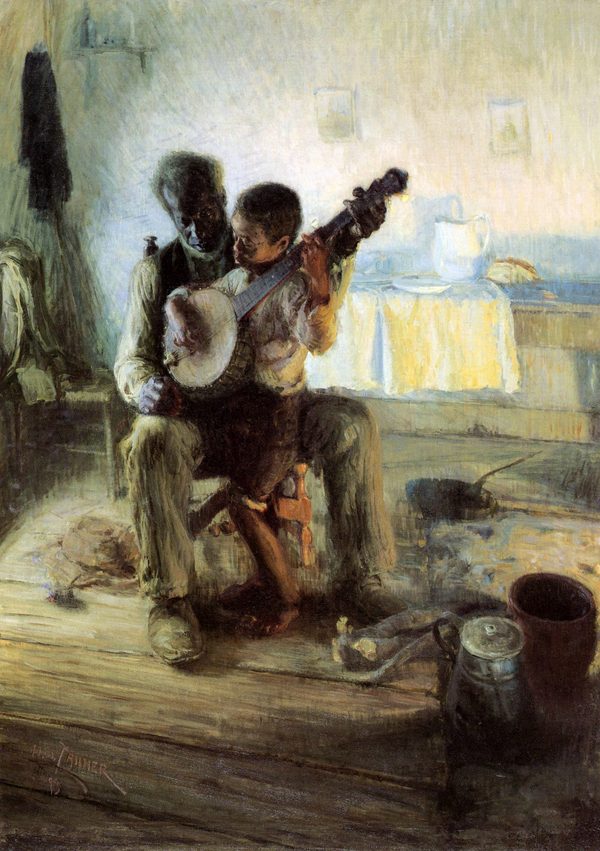
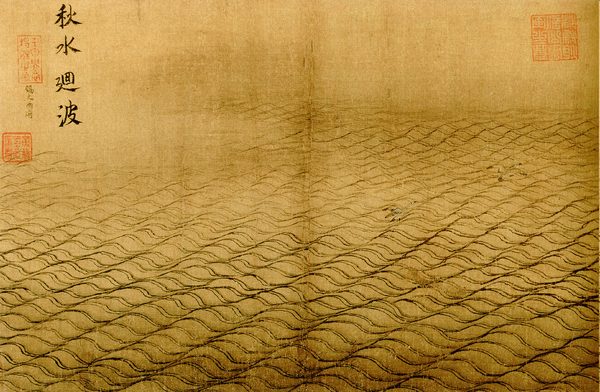
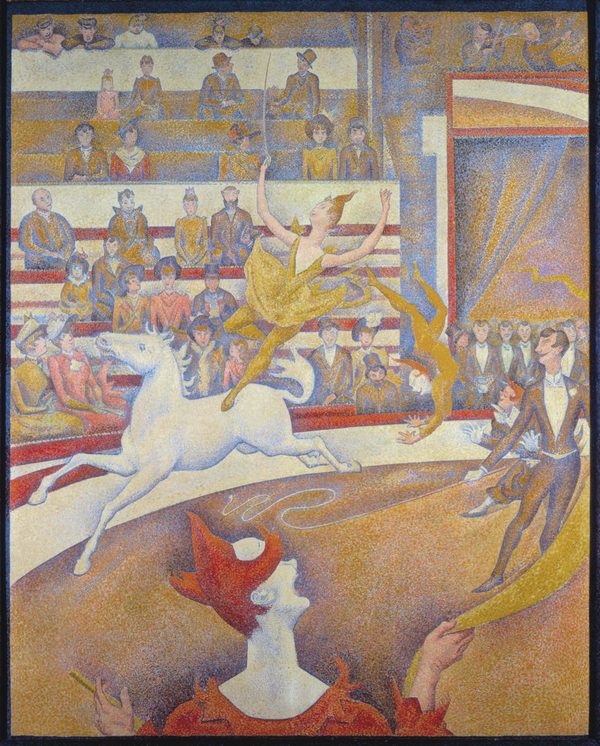
A German critic who wrote about memory as the thing that makes a life readable, and who carried the small Klee painting above with him from city to city as he fled Europe.

How do our memories shape who we think we are?

 
Read the transcript

Re-air

“It is better to be alone than in bad company.”

Attributed to George Washington

This line is attributed to George Washington, who copied out a hundred and ten rules of conduct as a schoolboy and kept them. The saying itself is older than he is and travels in Spanish as a proverb.

How much does the company you keep shape who you are?

 
Read the transcript

“Leadership is a choice. It is not a rank.”

Simon Sinek

Simon Sinek, who published Leaders Eat Last in 2014, took the idea from military units where the most senior person eats last, and argues that the people others actually follow are usually not the ones holding the title.

Is leadership something you are given or something you choose?

 
Read the transcript

Re-air

“If you are going through hell, keep going.”

Attributed to Winston Churchill

This line is usually credited to Winston Churchill, but it appears nowhere in his speeches, letters or books, and the International Churchill Society lists it among the things he never said; what is left is the advice itself, which does not need an author.

When do we keep going, and when do we change course?

 
Read the transcript

“Try to be a rainbow in somebody's cloud.”

Maya Angelou 1928–2014

Took the image from an old spiritual her grandmother’s generation sang, about a rainbow set in the clouds when it looked like the sun would not shine again, and she used it for the rest of her life to describe what one person can be for another.

Can we find happiness by lifting other people?

 
Read the transcript

“I am because you are.”

Ubuntu Proverb

This saying travels as a proverb of ubuntu, the southern African idea carried in the Nguni phrase umuntu ngumuntu ngabantu, a person is a person through other persons. No author has ever been traced, and the singular you is a modern English rendering of a thought that older versions, including John Mbiti's, put in the plural.

How much of you was made by other people?

 
Read the transcript

“The first duty of society is justice.”

Wendell Phillips 1811–1884

Gave up a Boston law practice to spend thirty years speaking against slavery, and this sentence comes from the collected volume of his speeches, lectures and letters.

What does a society owe its people first?

 
Read the transcript

“If you want to lift yourself up, lift up someone else.”

Attributed to Booker T. Washington 1856–1915

Booker T. Washington spent thirty-four years building Tuskegee by persuading other people to invest in students who had nothing, and this line has followed his name for a century without ever being traced to anything he wrote or said. It matches the life; the paper trail does not exist.

Does helping someone else up actually lift you, or does it just feel like it should?

 
Read the transcript

“Conscience doth make cowards of us all.”

William Shakespeare 1564–1616

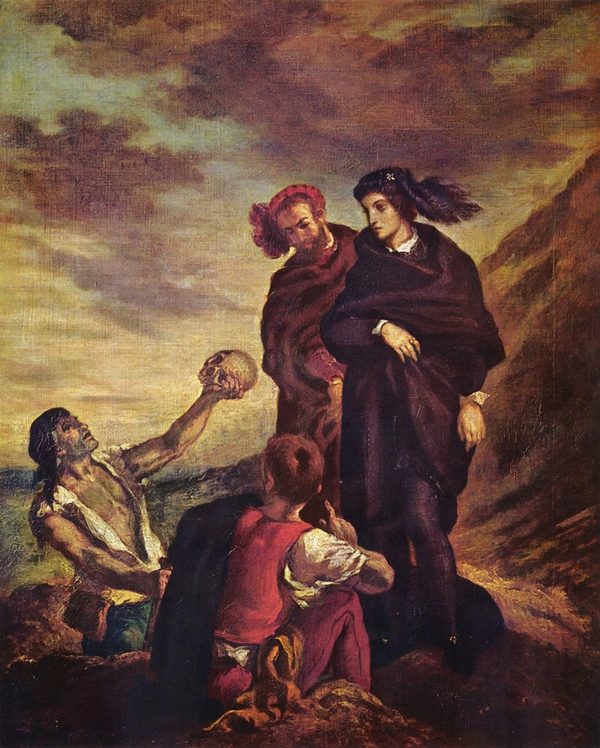
William Shakespeare gave this line to Hamlet in the middle of the To be or not to be speech, at the point where the prince has talked himself all the way to the edge of an act and then stops. The play spends five acts on a man who knows what he ought to do and keeps not doing it.

When is stopping to think cowardice, and when is it the only thing keeping you sane?

 
Read the transcript

“If you are going through hell, keep going.”

Attributed to Winston Churchill

This line is usually credited to Winston Churchill, but it appears nowhere in his speeches, letters or books, and the International Churchill Society lists it among the things he never said; what is left is the advice itself, which does not need an author.

When do we keep going, and when do we change course?

 
Read the transcript

“Begin with the end in mind.”

Stephen Covey 1932–2012

Made this the second of the seven habits in his 1989 book, and opened the chapter by asking readers to picture their own funeral and what they would want said there, then work backwards to how they would have to live.

Should we decide where we are going before we start?

 
Read the transcript

“No one is more hated than he who speaks the truth.”

Attributed to Plato about 428–348 BCE

This line is attributed to Plato (about 428 to 348 BCE), though the oldest version of the thought in writing is Roman rather than Greek: the playwright Terence has a character say in 166 BCE that flattery makes friends and truth makes enemies.

Is honesty worth what it costs?

 
Read the transcript

“Reject the tyranny of being picked. Pick yourself.”

Seth Godin

Seth Godin, born in 1960, has published a short post every day for two decades and made this his standing argument: that the gatekeepers who used to decide who got to make things have mostly stopped being able to.

Is it better to wait to be chosen or to choose yourself?

 
Read the transcript

“The greatest remedy for anger is delay.”

Seneca

Seneca (about 4 BCE to 65 CE) wrote an entire book about anger for his older brother while serving as adviser to the emperor Nero, and this is its central practical instruction: put time between the feeling and the act.

What should we do with anger in the moment we feel it?
 
Read the transcript

“The measure of a man is what he does with power.”

Attributed to Plato about 428–348 BCE

This line is attributed to Plato (about 428 to 348 BCE), whose Republic is largely an argument about who should be trusted with authority and why; none of the dialogues contains the sentence, and it appears in English only in the modern era.

What does power reveal about a person?

 
Read the transcript

“We suffer more in imagination than in reality.”

Seneca

Seneca (about 4 BCE to 65 CE) wrote this to his friend Lucilius in the thirteenth of his letters, telling him that we are frightened more often than we are hurt, and suffer more in the mind than in fact.

How do we tell an imagined fear from a real one?

 
Read the transcript

“The greatest teacher failure is.”

Yoda

Yoda says this in The Last Jedi, released in 2017, to a former student who has spent decades hiding from one catastrophic mistake, which is the situation that gives the line its weight.

What can failure teach that success cannot?
 
Read the transcript

“Wisely and slowly, they stumble that run fast.”

William Shakespeare 1564–1616

Friar Laurence says this to Romeo in Romeo and Juliet, written by William Shakespeare (1564 to 1616) in the 1590s, and he says it a few lines before agreeing to the secret marriage that ends the play the way it ends.

Is it better to decide quickly or carefully?
 
Read the transcript

“If you wish to be out front, then act as if you were behind.”

Attributed to Lao Tzu

This line is attributed to Lao Tzu, the figure credited with the Tao Te Ching in China around the sixth century BCE, whose existence as one person is uncertain and whose text reaches English through many different translations, so the wording varies.

Does real leadership come from stepping forward or stepping back?

 
Read the transcript

“You can't shake hands with a clenched fist.”

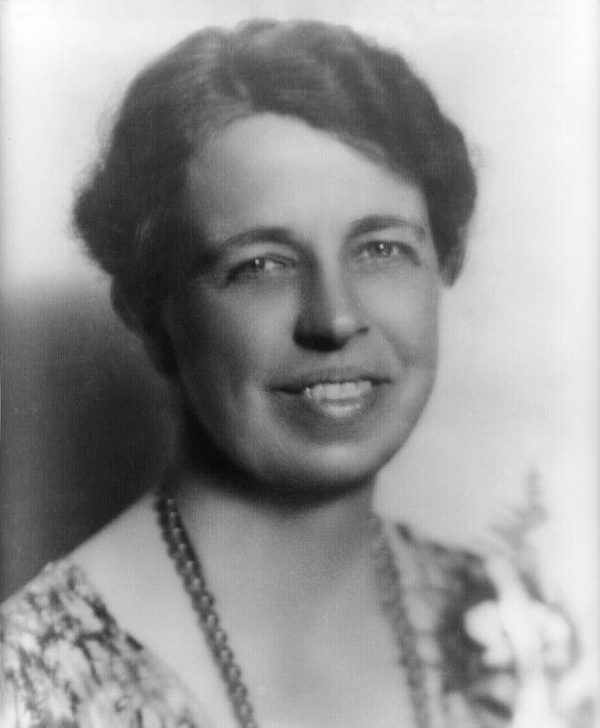
Attributed to Indira Gandhi 1917–1984

Led India for most of sixteen years, went to war with Pakistan, suspended the constitution for two of those years and was assassinated by her own guards; no source for the sentence has been located.

Who should open their hand first?
 
Read the transcript

“No one can make you feel inferior without your consent.”

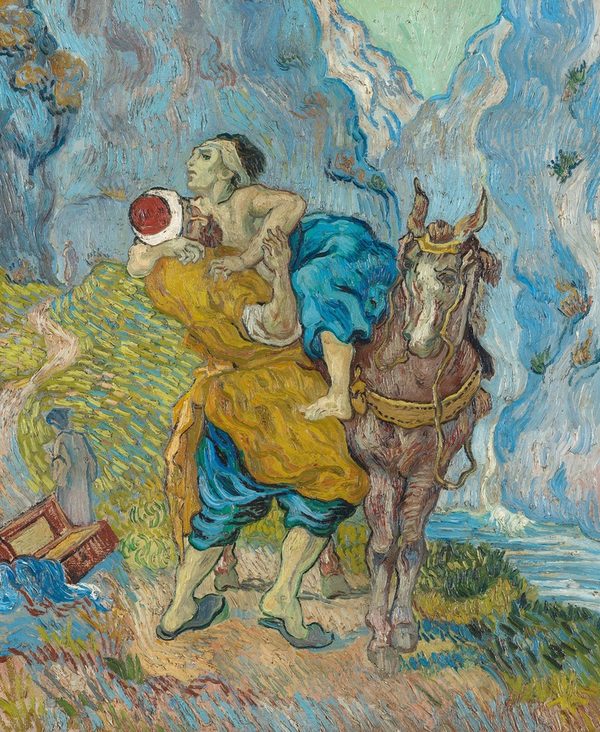
Attributed to Eleanor Roosevelt 1884–1962

This line is attributed to Eleanor Roosevelt (1884 to 1962) and has been for eighty years, though the exact wording has never been found in her own writing; it reached print through an account of something she said rather than something she wrote.

Do we decide how much other people’s words affect us?
 
Read the transcript

“It's easier to build strong children than to repair broken men.”

Attributed to Frederick Douglass

The line is not Frederick Douglass’s: it circulated unattributed in the 1970s and was first tied to his name in the 1990s. What he did write, in My Bondage and My Freedom in 1855, is that conscience cannot stand much violence, and once thoroughly broken down, who is he that can repair the damage.

Is it ever too late to change somebody’s path?

 
Read the transcript

“Only you can control your future.”

Attributed to Dr. Seuss 1904–1991

This line is attributed to Theodor Seuss Geisel (1904 to 1991), whose first book was turned down by more than twenty publishers before one took it; the sentence is not in any of his books and reads like a summary of Oh, the Places You’ll Go rather than a line from it.

How much of our future do we actually control?

 
Read the transcript

“In the end, we will not remember the words of our enemies, but the silence of our friends.”

Attributed to Martin Luther King Jr. 1929–1968

This is a paraphrase of a line Martin Luther King Jr. (1929 to 1968) definitely did write, in the Letter from Birmingham Jail in 1963, where he says we will have to repent not merely for the hateful words of the bad people but for the appalling silence of the good people.

What does loyalty ask of us when it costs something?

 
Read the transcript

“Men are born to succeed, not fail.”

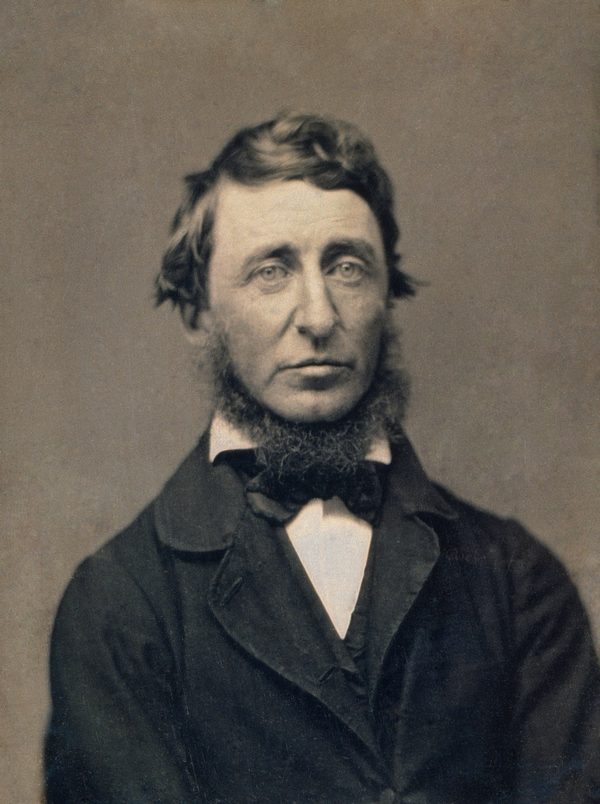
Attributed to Henry David Thoreau 1817–1862

Spent two years at Walden Pond testing what a life needed and by most ordinary measures failed at nearly everything he tried; no source in his books or journals has been located.

How should we think about failure on the way to something?

 
Read the transcript

“Happiness depends on ourselves.”

Aristotle 384–322 BC

Argued in the Ethics that happiness is not a mood that arrives but a way of living built out of habit, which means it is something a person practises rather than receives.

How much of your happiness is actually yours to decide?

 
Read the transcript

“Strength lies in differences, not in similarities.”

Attributed to Stephen Covey 1932–2012

This line is attributed to Stephen Covey (1932 to 2012) and matches the sixth of his seven habits, which argues that two people who see a thing differently are more useful than two who agree; the sentence has not been located in the book.

What makes a group strong?

 
Read the transcript

Re-air

“The only thing that I know is that I know nothing.”

Attributed to Socrates about 470–399 BCE

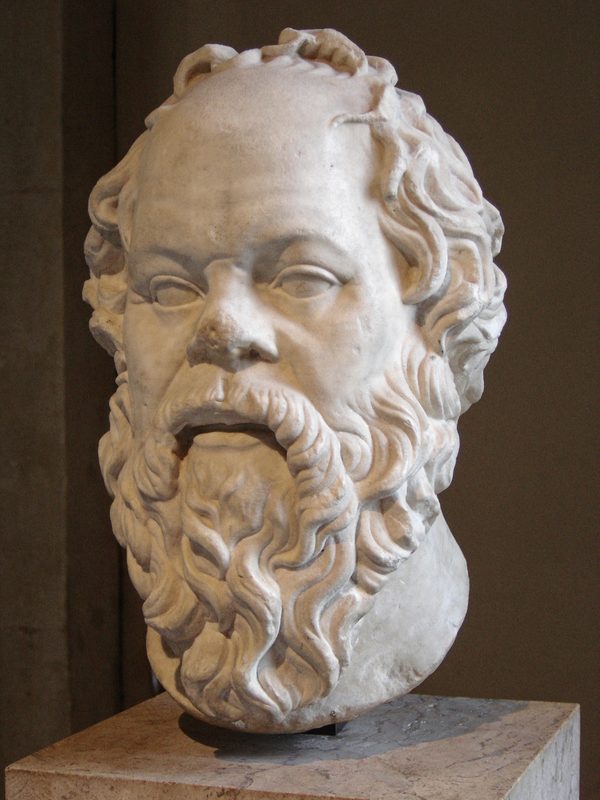
Wrote nothing down; it is a compressed version of what Plato has him say at his trial, that he is wiser than other men only because he does not think he knows what he does not know.

How does knowing what we do not know help us?

 
Read the transcript

“A friend to all is a friend to none.”

Attributed to Aristotle 384–322 BC

Devoted two books of his Ethics to friendship and split it three ways: friendship for use, for pleasure, and for the person themselves. He held that the last kind takes years and cannot be spread thin.

Is it better to have many friends or a few close ones?

 
Read the transcript

Re-air

“The best way to predict the future is to create it”

Peter Drucker

This is usually credited to Abraham Lincoln, who left no trace of it. The thought is twentieth century: Dennis Gabor wrote in 1963 that the future cannot be predicted but can be invented, and the sentence in this form is generally attributed to Peter Drucker.

How much of your future is actually yours to build?

 
Read the transcript

“To lead the people, walk behind them.”

Attributed to Lao Tzu

This line is attributed to Lao Tzu and renders a passage in the Tao Te Ching that says a ruler who wishes to be above people must speak from below them, and who wishes to lead must walk behind.

What does leading actually look like?

 
Read the transcript

“Our first teacher is our own heart.”

Cheyenne Proverb

This saying comes down as a Cheyenne proverb. Its claim is not that the heart is always right, but that it speaks before anyone else gets a turn, and that learning to hear it is the first education a person gets.

How much should you trust your own gut?

 
Read the transcript

“Independence is happiness.”

Attributed to Susan B. Anthony 1820–1906

Was arrested for voting in 1872, refused to pay the fine for the rest of her life, and died fourteen years before the amendment carrying her name passed; no source for the sentence has been located.

How much independence do we actually want?

 
Read the transcript

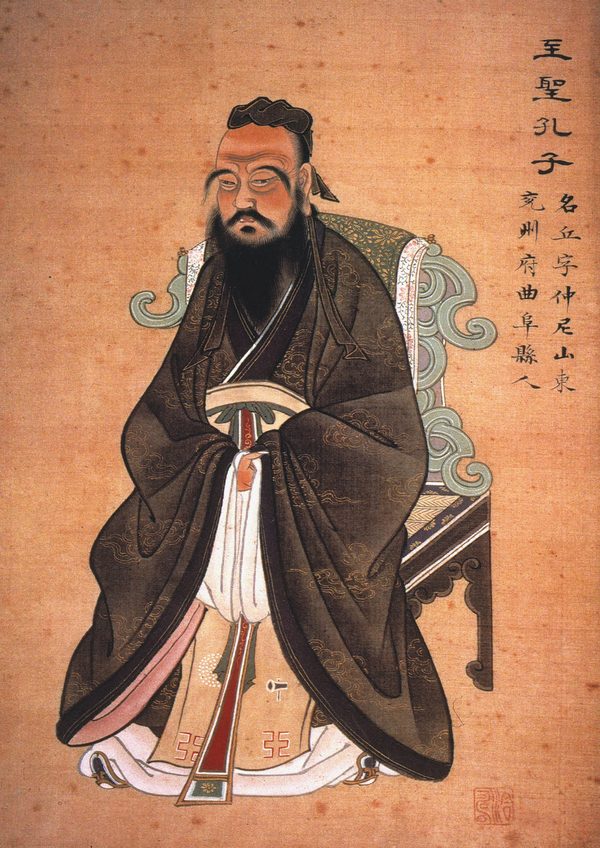
“Respect yourself and others will respect you.”

Attributed to Confucius 551–479 BC

This line is attributed to Confucius (551 to 479 BC), whose recorded teaching returns constantly to the idea that how a person carries themselves in private sets what they are owed in public.

Where does respect actually come from?

 
Read the transcript

“Your silence will not protect you.”

Audre Lorde 1934–1992

Said this in a paper called The Transformation of Silence into Language and Action in 1977, delivered while she was waiting to learn whether a breast tumour was malignant.

When does staying quiet protect you, and when does it cost you?

 
Read the transcript

“In a dark time the eye begins to see.”

Theodore Roethke 1908–1963

Opened one of his last poems with this line. He wrote through repeated breakdowns and made the darkness itself the thing he looked at rather than the thing he looked away from.

Does difficulty show us anything we could not have seen otherwise?

 
Read the transcript

“Disobedience is the foundation of liberty.”

Attributed to Henry David Thoreau 1817–1862

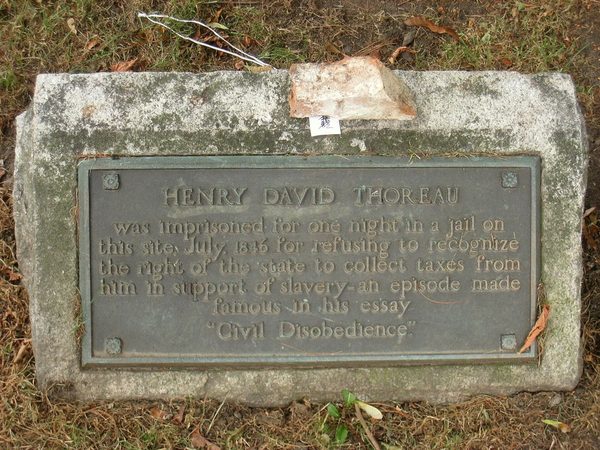
Henry David Thoreau spent a night in the Concord jail in 1846 for refusing a tax that funded a war he opposed, and wrote Civil Disobedience out of it. This particular sentence appears nowhere in that essay, in Walden, or in his journals, though the thought behind it is the argument he spent his life making.

Which rules are you obeying because you agree, and which because it is easier?

 
Read the transcript

“It is better to be alone than in bad company.”

Attributed to George Washington

This line is attributed to George Washington, who copied out a hundred and ten rules of conduct as a schoolboy and kept them. The saying itself is older than he is and travels in Spanish as a proverb.

How much does the company you keep shape who you are?

 
Read the transcript

“There is no success without hardship.”

Attributed to Sophocles about 497–406 BCE

The Athenian playwright whose surviving tragedies are almost entirely about people being tested past what they can carry; the sentence itself appears only in modern quotation collections.

Is hardship necessary for success?

 
Read the transcript

“Happiness is a direction, not a place.”

Sydney J. Harris 1917–1986

Wrote a daily newspaper column in Chicago for forty years, mostly short pieces that took an assumption everyone held and turned it a few degrees.

Is happiness something we make on the way, or somewhere we get to?

 
Read the transcript

“The best way to predict the future is to create it.”

Peter Drucker

This is usually credited to Abraham Lincoln, who left no trace of it. The thought is twentieth century: Dennis Gabor wrote in 1963 that the future cannot be predicted but can be invented, and the sentence in this form is generally attributed to Peter Drucker.

How much of your future is actually yours to build?

 
Read the transcript

“It is the first responsibility of every citizen to question authority.”

Attributed to Benjamin Franklin

This is usually printed under Benjamin Franklin's name and it is not his. Snopes rates the attribution false, the Yale edition of Franklin's papers has nothing like it, and the phrase question authority barely appears in print before the 1970s. Nobody knows who wrote it.

When should we question authority, and when should we go along?

 
Read the transcript

“Every great dream begins with a dreamer.”

Attributed to Harriet Tubman

This line is printed on posters under Harriet Tubman's name, but her biographer Kate Clifford Larson traced it no further back than 2007, more than ninety years after Tubman died. What Tubman did say, recorded by Sarah H. Bradford in 1869, was that she never ran her train off the track and never lost a passenger.

Does a dream need a dreamer, or does it need everybody who came after?

 
Read the transcript

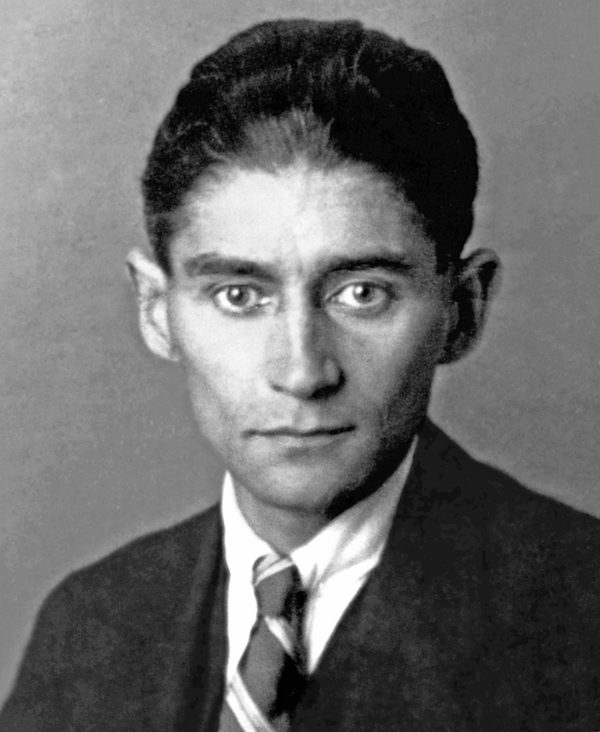
“Isolation is a way to know ourselves.”

Attributed to Franz Kafka 1883–1924

Wrote at night in a rented room after a full day at an insurance office and asked in a letter for a cellar he could be shut into; no source for the sentence has been located.

Is time alone how we come to know ourselves?

 
Read the transcript

“The person with dreams is more powerful than one with all the facts.”

Attributed to Albert Einstein 1879–1955

This line is attributed to Albert Einstein (1879 to 1955) and appears in none of the authenticated collections of his writing. What is documented is that he built special relativity by imagining himself riding alongside a beam of light, years before he had the mathematics.

Does imagination or knowledge get you further?

 
Read the transcript

“The best fighter is never angry.”

Attributed to Lao Tzu

This line is attributed to Lao Tzu, the figure credited with the Tao Te Ching in China around the sixth century BCE; it is one translator’s rendering of a passage about not competing, and other translations of the same lines read quite differently.

What does anger give you in a conflict, and what does it take away?

 
Read the transcript

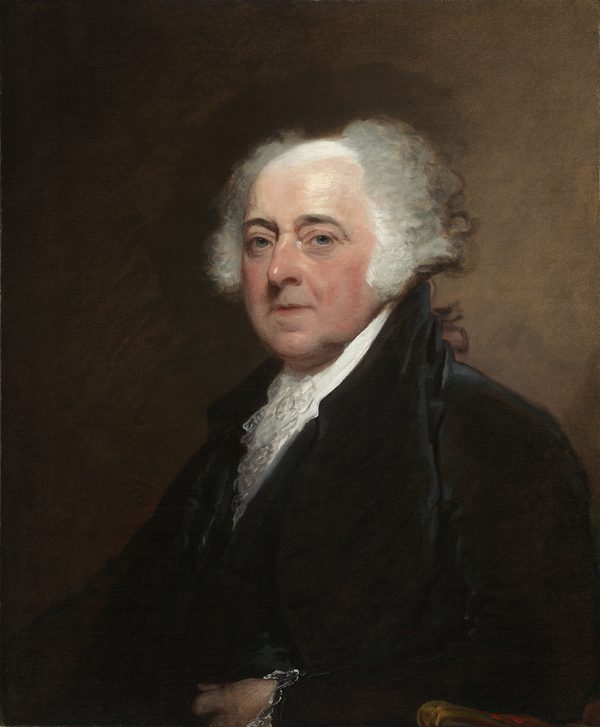
“Power must never be trusted without a check.”

John Adams 1735–1826

Wrote this to Thomas Jefferson on 2 February 1816, in a long argument between two old rivals about whether people could be trusted with self-government, and his fuller sentence begins I say that.

Why does power need checking, and is there ever a case for none?

 
Read the transcript

From episode to classroom

The plan is the point.

Listening is the easy half. The conversation plan is what turns an episode into ten minutes of class: the quote, the claim, the counterclaim, the essential question, and storytelling prompts that get students talking about their own lives.

Members of the Teach Different community get the full library of plans, the printable student handout and teacher guide for each one, and the monthly live trainings where teachers work through them together.

See what membership includes Learn the Method

The Teach Different newsletter

One conversation a month.

A teacher’s story, a quote to try with your class, and what’s coming up. Once a month, never more.