

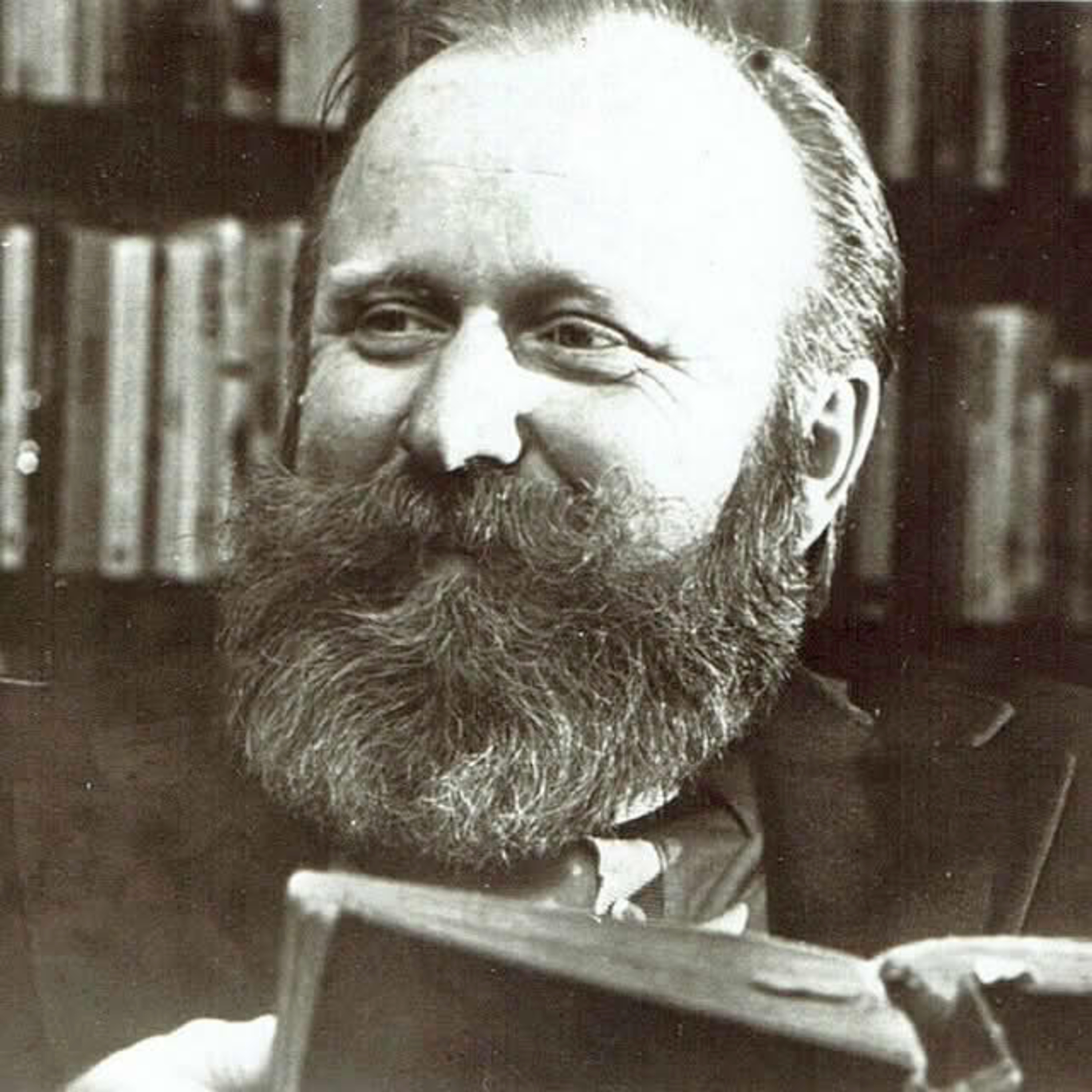
“Fear is the mind killer.” – Teach Different with Frank Herbert
In this episode of the Teach Different podcast, hosts Steve and Dan Fouts explore the quote ‘Fear is the mind killer’ by Frank Herbert. They discuss the claim of the quote, emphasizing the impact of fear on mental processes and the importance of creating safe spaces for conversation. They explore the counterclaim, fear as a potential motivator. The conversation emphasizes the role of courage and curiosity in overcoming fear, particularly in educational settings, and highlights the significance of engaging in meaningful dialogues to foster understanding and connection.
Episode Chapters:
00:00 – Introduction to Teach Different Podcast
02:36 – The Impact of Fear on the Mind
05:40 – Fear as a Mind Killer vs. Mind Activator
08:36 – The Role of Courage and Vigilance
11:22 – Creating Safe Spaces for Conversations
14:27 – Overcoming Fear in Communication
Image Source: https://lex.dk/Frank_Herbert
Transcript
Steve (00:00)
Welcome everybody to the Teach Different podcast. We are about to embark on our second quote for 2026. And we’re going to use the Teach Different method as we always do. Quote, claim, counterclaim, essential question. We’ve got a really short quote now by a American science fiction author and he’s best known for the work Dune, named Frank Herbert. And we’re gonna get to that quote in a moment, but first just give a shout out to all of our certificate graduates in this Teach Different certificate program. We’re working with middle and high school teachers in Illinois and actually in several other states to train them on this conversation method we’re about to use for this podcast so that they can translate it into their classroom teaching. And this is exciting because teachers have the next generation, right? And these kids are suffering from isolation and some mental health issues, and they’re addicted to these phones, and they’re not really interacting the way they’ve always interacted face to face and it’s hurting their mental health. This conversation method does exactly what’s needed, which is getting them to engage with each other, look at each other in the eye. And when you have a teacher that’s organizing this, creating that safe space. This is where you get impact. And we’re so happy about this program. We’ve got, how many do we have, Dan? 27 grads as of right now from the program. And they’re all reporting the same types of things, the most exciting of which is kids that don’t usually speak, speak up when they’re challenged with quotes like this.
Dan (01:45)
Yep.
Steve (02:00)
So that’s a quick update on Teach Different. Had to share that. Shout out to the graduates. We’re going to try to get a few of them on the podcast so you can actually get to know some of them.
Dan (02:11)
And to echo what Steve just said, some of our quietest kids are our most intelligent and most thoughtful, and they have a lot of great things to say. And this method can bring those thoughts out in the open. And that, as Steve said, that’s been one of the most gratifying things we’ve learned from the programs that we’re running of teachers trying this. It’s really cool.
Steve (02:36)
It’s really cool. And that’s how Teach Different started. It was a student that inspired it. So it’s really, really exciting. I mentioned claim, counterclaim, essential question. That’s our drill. I’m going to read our quote a couple of times, and then we’re going to get right into this. Hopefully connect it to some everyday maybe current events if we can in addition to any of our own experiences. But I’m here with Dan and we’re about to make this happen. So here’s the quote, fear is the mind killer. Fear is the mind killer. And this is Frank Herbert. What are your thoughts?
Dan (03:19)
Well, wow. Fear kills our mind. The first thing I think about is when you’re afraid, when I’m afraid, what happens to my thinking when I’m afraid. It gets discombobulated. You no longer think rationally. You think in spurts. You don’t carry your thoughts to logical conclusions. It kind of, and I think this is what he’s getting at with killing your mind, the assumption being that the mind operates best when it’s in a safe, predictable state. And when it’s not in that state, when fear takes over, it doesn’t function at its optimal level.
Steve (04:17)
A mind killer, I thought of, I think it’s cortisol, the anxiety, stress hormone, right? When you have fear, cortisol like feeds your brain and it shuts down your nervous system and your ability to think rationally and connect with other people, empathize.
Dan (04:26)
Stress hormone.
Steve (04:46)
Communicate it so I do see this quote as having some truth because when you’re talking to people and you’re not really communicating and you’re not really connecting with them and you’re suffering from something internal which is what fear is it does shut you down and it creates a lot of misguided reactions from people because you may think that you’re hiding your fears, but people are catching your emotions, the non-verbal cues. And they might actually think that it has something to do with them too. And that’s going to cause miscommunication. So I’m going to go with that cortisol and this idea of neuroscience essentially, that it is a killer.
Dan (05:40)
Yeah. And it just fits so well with this method. do neuroscience, neuroscience backs a lot of the teach different method. The idea behind getting people in conversations is to erase fear and to create a situation where your mind feels like it can grow in safety and comfort without stress. So yeah, I mean, I’m connecting it with, you know, a really, really good conversation with people is the antithesis of fear being the mind killer. It’s the mind opener is when, you know, conversations take root. But again, I’m just connecting it to a little bit about what TeachDifferent does. I think the claim is pretty clear here.
Steve (06:35)
You’re also making me think of what we’re hearing from the teachers in our program when they say that kids report that they feel more comfortable speaking out and they can actually have an opinion and have some disagreement, but not have it go into such negativity and animosity. That’s important, right? Because fear is what drives that dialogue and look at our society today, how difficult people are having to communicate and the difficulties they’re having. It’s based in fear. It’s based in mistrust.
Dan (07:19)
And I think about what happens to a student in your class or in whatever public setting when someone feels humiliated or when they feel like they’re not listened to. Fear grips them and it is a mind killer. They don’t share. They don’t think. They wallow in fear. It is a very common human response happens lots of times.
Steve (07:50)
I think that it’s fair to question what killing means in this context, a mind killer, because your mind is not really killed. It’s doing something different than when you’re not in fear.
Dan (08:09)
It’s not operating at its highest level.
Steve (08:12)
and its highest level is when it’s able to connect, when it’s able to empathize, when it’s able to communicate, when it’s able to self-reflect and think rationally. That’s maybe the definition of what killing is. That’s a good essential question. What does Herbert mean by killing in this context? So I like that.
Dan (08:36)
I got to go, I’m ready to go counterclaim here. And, and fear can kill minds in the, in the way that Frank Herbert describes it, but fear can also ignite your thinking and can focus you and get you in a direction to solve a problem.
Steve (08:39)
Yeah, I am too. Go!
Dan (09:01)
I think of firefighters and police officers and our niece flies in helicopters to help save children who’ve been in accidents in the mountains. There’s some fear that is part of the job. I’ve spoken with her about this, but the fear doesn’t kill the mind, it sharpens it and it gets it in a situation where it can deal with an otherwise insurmountable problem. That would be my counterclaim.
Steve (09:34)
Yeah, it activates the mind. Fear activates the mind. Think of the fear of public speaking. One thing I’ve noticed, because I’ve had fear of public speaking just like everybody else, but what I’ve noticed is in the lead up to the speech, there’s a lot of kind of anxiety and fear. And when that speech ends up happening, I do have this sense of clarity that I don’t have sitting on a couch and not being fearful at all. mind is not as sharp.
Dan (10:12)
Activated, activated.
Steve (10:15)
So maybe a question would be, what’s a healthy dose of fear and anxiety that can activate the mind, but not debilitate it?
Dan (10:24)
Right. But not debilitated. There’s your essential question right there. Because I agree with you, public speaking is a great example. This is probably why people are so tired after public speaking. It’s their fear has been, has activated the mind into producing this public speech. And you’ve used all your energies to channel this fear in what is hopefully a good performance. That’s why you’re so darn tired afterwards. So anyway, fear can be ⁓ an energizing influence in your life, but to your point, what’s the proper balance where it doesn’t debilitate you, but it puts you in a position to be successful doing something? Hmm.
Steve (11:18)
I like the word vigilance. I think that vigilance is a positive term that can come out of fear. And what is vigilance? It’s just being more aware of your surroundings. And that can lead you to some observations and some insights that you’re not going to get. I have this image of just sitting on the couch.
Dan (11:47)
Yeah.
Steve (11:47)
If you don’t have anything that you’re a little bit worried about, not only are you not gonna have clear thinking, you might not even be inclined to share your voice. Sometimes fear can get us to speak up because why? We try to overcome our fears and that’s a motivator.
Dan (12:09)
And if courage is one of our virtues, it takes energy to overcome fear, to be courageous. So if we bake that into a habit of our acting, well then fear is naturally gonna be part of that equation. It’s not a mind killer, it’s an ingredient to courage. There’s another counterclaim.
Steve (12:24)
It has to be there. Yep, it has to be there. Yeah, those are very, very clear.
Dan (12:38)
This one has legs.
Steve (12:39)
Any other essential questions? I’m just thinking of the way that the struggles that we’re having as a society now with just having fear in having conversations with other people and realizing that it does take courage to step out and be willing to engage with someone. And I don’t even know if it’s just courage. Sometimes it takes a curiosity. Sometimes it could even take, say even a love of someone else to step out and actually be willing to listen to what they have to say. Because you know, other people are going through the same issues that you are. And if you’re willing to step out and listen to them, one thing is definitely for sure, if you can create a safe space for others. The mind will thrive in that. You’re gonna get more of them and how they really feel about something and honesty and rationality if you can just keep that fear away for at least a little bit. So I’m kind of drifting back to the claim.
Dan (13:57)
Well, and how do you get over back to the conversations? We’re kind of coming back to that. How do you get over that fear? You keep doing it. You keep it, you make it a habit and it becomes less and less fearful over time until a point where before you know it, it’s how you are and it’s part of your character. But it takes a lot. It takes a lot. Fear can be, back to the claim, fear can be a mind killer if you’re not willing to persevere through it.
Steve (14:31)
What do you do with the fear in your life? What are you afraid of?
Dan (14:36)
Yeah, what are you afraid of? How about that one?
Steve (14:39)
You know, if it’s skydiving, I get you. If it’s having a conversation with someone you disagree with, I don’t know, maybe that’s something you wanna consider trying to overcome because it’s hurting you.
Dan (14:50)
And if it’s speaking up in this, yeah, if it’s speaking up in this class, well, then we’re gonna work on that. Some of the kids would probably say that in a classroom setting.
Steve (15:06)
Good stuff. I like the quote from Herbert and thanks for listening everybody. We’ve got one other thing I’ll mention again, because I mentioned it last week, is we have a homeschool course that’s being created. So be on the lookout for that. We’ll announce it on this when it’s ready. And it’s going to be a resource that you can use to have conversations with people very close to you, your kids.
Dan (15:07)
Yeah.
Steve (15:33)
and use this same method. We’ve got a way to coach it and really get you hopefully just as good at this as we like to think we are. It really takes practice like everything else and conversations are the start of so many things. Engagement, getting kids to even want to learn anything. So if you’re taking on that challenge of educating somebody in your own house, you’re going to have power struggles. You’re going to have challenges, but conversations can help. So we’re looking forward to that.
Dan (16:03)
Don’t let fear be the mind killer. Don’t let fear be the mind killer with conversations.
Steve (16:06)
There you go. There you go. There you go. All right. Take care, everybody.
Dan (16:12)
Take care, bye bye.