
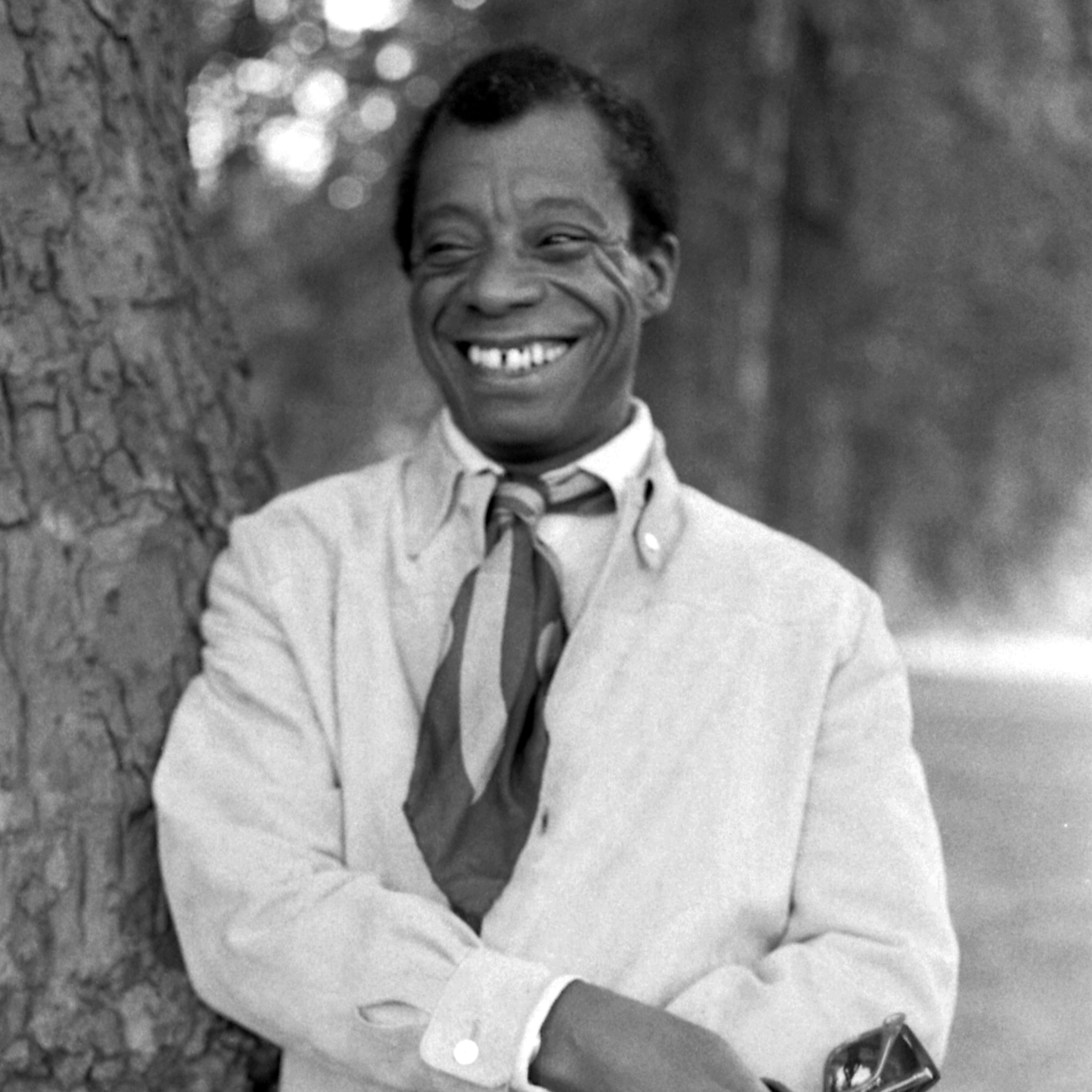
“People pay for what they do, and still more for what they have allowed themselves to become, and they pay for it very simply by the lives they lead.” – Teach Different with James Baldwin
In this week’s episode, Steve and Bully explore a powerful quote by James Baldwin: “People pay for what they do, and still more what they have allowed themselves to become, and they pay for it very simply by the lives they lead.” Using the Teach Different Method, they unpack the claim, counterclaim, and essential questions that this quote inspires. They speak on personal responsibility, the consequences of actions, and the impact of environment and intention. The conversation dives into how our choices shape our lives and legacies, with reflections on civil rights leaders and personal accountability.
Episode Chapters:
00:00 – Exploring the Legacy of James Baldwin
02:35 – Understanding Baldwin’s Quote on Accountability
07:30 – The Complexity of Actions and Consequences
12:44 – The Role of Intention in Our Actions
14:21 – Reflections on Conscience and Empathy
Resources:
James Baldwin’s Works (Notes of a Native Son, Fire Next Time, Go Tell It on a Mountain) – https://www.amazon.com/s?k=James+Baldwin&ref=nb_sb_noss_2
Civil Rights Leaders – Jesse Jackson – https://en.wikipedia.org/wiki/Jesse_Jackson
Teach Different Program at Rivers Casino – https://teachdifferent.org
Transcript
Steve (00:00)
Welcome to the Teach Different podcast. Hello everybody. We are in the middle of February and we’re in the middle of our African American History Month. We’re going to be just focusing on quotes from African American leaders and thought leaders and revolutionaries and civil rights advocates, et cetera. We did Malcolm X last week. This week we’re going to do James Baldwin, who is an American writer, essayist. This was the 20th century. He’s got some famous novels, Notes of a Native Son, Fire Next Time, Go Tell It on a Mountain. He was a civil rights activist, you know, really actively involved in civil rights, and he was an intellectual. So he really was a powerful mind that argued for everything that the civil rights movement was all about. And this guy is just very, very, very intelligent. I just saw a couple interviews with him and it would be nice to have someone like that in today’s world. But before we know, a moment of silence for Jesse Jackson. You know, we lost one of the leaders of the civil rights movement. And I’ve been kind of looking at some of his older interviews when he was really young, like early twenties. And that guy was something else as far as intellect and commitment. And, you know, it’s just a, it’s a loss and it’s something hopefully that the conversation we’re going to have is going to resurrect. We got Bully in here. Bully. I’m going to read the quote a couple of times. And it’s by James Baldwin. Okay. Now this quote, I’m going to have to read a few different times just because it’s a little bit longer. And it’s pretty much, a lot of our quotes, it’s easy to come up with a claim, but this one, I wanna spend some time on figuring out what this thing means. So let’s, without further ado, you know, for anyone new to this, experience this method for the first time. It’s gonna be a quote that I’m gonna read. It’s gonna be claim, counterclaim, essential question. See if you can follow the drill. Here’s the quote, James Baldwin. People pay for what they do and still more for what they have allowed themselves to become. And they pay for it very simply by the lives they lead. I’m going to read it again. People pay for what they do and for what they have allowed themselves to become. And they pay for it very simply by the lives they lead. What does this mean? What’s this giving you?
Bully (03:11)
It goes back to like the old saying, you made your bed, you lay in it. know what I’m saying? Like, it’s like, and like I was just talking about my friend the other day, it’s like.
Steve (03:17)
There you go.
Bully (03:25)
He don’t want to do nothing, but it’s like, you know, all the same people I know, you in the same neighborhood I know, you got the same relationship. People have, people do different stuff with different, with the same opportunities, but it’ll get different results. It all depends on the person and how they take the opportunity. And it’s like, your actions define the lifestyle you in and the life you live. So, and then it’s like, you, it’s like, and then you pay for it through, through like living. That’s like, that’s like when you in the streets you put in your work, you have to put in work to get a name, know what I’m saying? So eventually, when you get done, when you ain’t gotta put in work, because people already know like, man, he done put in work, he done put his work in, he done been out there tensed toes down or whatever. And now you live off the respect of your work. So whatever you do out here, that’s gonna be your legacy. So if you in this environment, and this the type of environment you in, that’s the type of environment that you gonna stay in, you know what I’m saying? That’s why they call it a trap in the community, because it’s like, people still stuck on four corners. People still stuck on four corners, because that’s all they know.
Steve (04:22)
There you go. That’s the identity.
Bully (04:27)
But then, but still, if you leave outside the box, like it’s a whole broader horizon out there in the world that you may not even know.
Steve (04:34)
But it’s hard to leave it because your actions have kind of set you up for a certain identity that everybody’s looking for. And the minute you change and evolve as a person, everybody else is like trying to drag you back down. They don’t want change. They want, they’re used to the way you were. It’s a good thing, it could be a good thing. A reputation for being, you know, someone everybody can look up to and trust. You know, that’s you, you, you’re going to have that reputation.
Bully (05:13)
The vibe is, certain things you do or may have did, you might thrive in this environment, but it’s showing the pun on another community or another environment or another culture or another way of life. You understand what I’m saying? It’s all about really where you at with it. Then that’s why it’s really where you at, so you gotta take your mentality and the good mentality wherever you go, you gotta take it with you. You know what I’m saying? And make the best of it.
Steve (05:40)
Yeah, that’s right. That’s right. I think he’s talking, my sense is, and I’m gonna read this again. I think he’s talking to people who’ve lived evil lives, people who’ve done things to hurt others. And when you think that they’re getting away with it. What you have to realize is they’re actually paying for their sins, whether they like it or not. And it doesn’t matter if you get caught. It might even be the mirror that forces you to pay. And I think that’s what he’s saying.
Bully (06:15)
Yeah, sometimes you can’t sleep. Yeah, sometimes you can’t sleep. People don’t know, on the outside looking in, he might be like, oh yeah, he killed five people, he break them, but he might have nightmares, he might have demons, he might have deaths around him, and sometimes the people closest to you can pay for your actions too to make you live in it.
Steve (06:36)
You keep getting away with stuff, it makes you think you can keep doing it. That becomes the life you lead. You allow yourself to become it, you make that choice, and then you think that you might be getting away with something, but in reality is you’re gonna, you’re gonna become something that you can’t really recover from. Let me throw this out though. Let me throw this out. Can anybody get away with things and I don’t know if this is a counterclaim, I think it might be, but can you get away with things and kind of know that it was wrong and not let that become, not let yourself become that? You know what I’m saying? Have you ever made a mistake?
Bully (07:32)
Yeah, yeah, because a lot of situations like, yeah, a lot of situations is like, um, for sure that. Because a lot of situations is, sometimes people just had to do what they had to do. Like the second time, the second I got told the second time I went back to prison, I didn’t, um, I didn’t want to go back to that life or whatever. I thought I couldn’t get a job. UPS wouldn’t hire me. Nobody would hire me. So sometimes for the sake of the cause or for the sake of the cause or for something you feel more than important. Sometimes you might have to make a decision where you’re like, I’m gonna just do this right now. I’m gonna just do this right now, because I gotta do it. I know it’s wrong. I’m gonna make up for it. I’ll repent for it. But I just got to do it right now. Sometimes you just got to do it. Sometimes you just got to do what you got to do. Even though you don’t want to do it, you feel like you don’t have no other choice. And you might be getting away with it in one sense, but you might be paying for it in another sense you don’t even know. Because living a certain lifestyle, doing certain stuff, you can’t go certain places, you can’t do certain things, so you can be blocking your blessings from something else that was prepared for you by doing the things you’re doing, you know what saying? You don’t even know, you’re gonna miss your blessing, because you can’t even be outside, you can’t even come around, you can’t even do them around, you’re really hurting yourself, so you really didn’t get away with it. You just paid for it another way.
Steve (08:32)
There you go. Yeah, I like, I’m going to use the word compartmentalize. It is true that in some cases we might have to do something bad, but if we don’t get carried away with it and we almost know that it’s bad while we’re doing it, but we feel like we have to do it for some reason, it doesn’t have to be the thing we turn into. You know what I’m saying? That’s what I got from you, Bully. Eating, like what you eat, if you eat a bunch of bad things, you might think it’s not gonna, you’re not gonna become it and it’s gonna affect you. But after a while, it just catches up. Things catch up.
Bully (09:29)
Mm-hmm. It catch up with you, it catch up with you, Like we used to eat a lot of bad food and stuff when we was younger and then you better work the weight off it and then it go out. But as you get older, it can catch up to you. Eventually it’s gonna catch up with you, yo.
Steve (09:36)
You know? You gotta work constantly. Yeah, I’m learning that one.
Bully (09:49)
Me too!
Steve (09:52)
I’m learning that one. And then, you know, the counterclaim, but I’m kind of going with this compartmentalization thing, Bully, that you brought up. Sometimes we have to do things that are not good, but it doesn’t mean we’re wrapped up in it. And it’s something that, like, we believe in that we, you know, are all gung ho about. It could be something we regret almost as we do it but we’re forced to do it for another reason. you know, now I’m, the more I talk, the more I’m realizing this is about intention, isn’t it? Cause Bully what you were just saying. Like if you’ve got to do something to survive and it’s just something you feel like you got to do because no one wants to give you a job, that’s different than just being bored and wanting to just go and get something for free from someone and, and, you know, abuse almost your freedom in that way. So intention’s part of it, right?
Bully (10:59)
Yeah, I had this sick code when I was in the streets. I had a crazy code I lived about a certain code and I felt like that’s always where I’ve been at home. was like, I wasn’t looking for trouble, but I wasn’t ducking or anything. And I had in my head, like I’m a real belief person. I believe in spiritual belief. And I had a code I was like, if somebody come fucking with me or my people they was asking for, I had a clear conscience after I went and did what I did. But like, if I was just doing some shit. If I was doing something I ain’t had no business doing or just doing some shit just to be doing it. I went to jail, I got shot, I got some bad stuff always happen. So it was in my head where it was like, I believed in like karma I believed in justice I be like, at the end of the day, like we say, ain’t nobody asked to be in no culture, no lifestyle, no environment. I would have preferred my parents to be rich in Calabasas somewhere. I would have preferred to be born in California, but I was born on the west side of Chicago. I ain’t ask for that. So I know like, sometimes our intentions be good, but like you said, sometimes you got to do what you got to do. It go back to like what you were saying last week. Like if you don’t fight violence with violence, won’t they just keep doing it and keep doing it and keep doing it to a mission? You got to be like, hey man, back up off of me. Like, you know what saying? So at the end of the day, I used to think like, long as I’m just I was going home. Cause I feel like I ain’t bothering nobody. I was trying to avoid it. I was not trying to, I was trying to work around it, but they just kept asking for it right there. In my head, I was thinking like and my code was like, long as it’s just, I’ma make it home. And I had a thinking in my head, when you just out doing bullshit, just Rob just doing shit that you don’t really have to be doing, something bad was gonna happen. And that was in my head, and that’s the code that I live by. So a lot of times, I only did some stuff when I felt it was justified.
Steve (12:44)
That’s right. And you know, if you were doing it for another reason, you feel that karma. You’re like, no one’s protecting me now. Last week had a quote from Malcolm X. was, you know, basically violence begets violence. And one of the questions we came up with at the end, which I think can, is might be similar to one we’d come up with here is like, is there a type of violence where it can be good potentially if it’s in the spirit of being a protector. There’s a way to be violent when you don’t have any reason to be just, you know, going off on somebody. You got to control that stuff. But as a protector, if you’re not asking for the violence and it’s being brought on you, you might have to bring some of it out to either, you know, deter someone or, you know, eliminate a threat right away. So what do you think? I mean, speak on that. They don’t really pay. They don’t ever pay if they don’t care. It feels like a question baked in there. Do we always pay? for our actions Do we always pay for our actions? I think we actually did really well with the counterclaim on this. I’m looking at this quote differently now, because of that word pay and how some people,
don’t seem to pay. Whatever that means, whether it’s internal or they never get caught. What do you think, Bully? Give me a parting thought. Give us a parting thought.
Bully (14:23)
Mm hmm. But like I said, you can be paying in ways you don’t even know you paying.
Steve (14:37)
There you go. There you go.
Bully (14:39)
You could be paying in ways you don’t even know you paying. And then a lot of times, a lot of people, could go both ways too. You can live your life good, they do only good things, they do good things all the time. And you be like, man, I don’t never, but you don’t receive the benefits of your hard work, it be the generation after you, the generation after that. Like Martin Luther King didn’t reap all the benefits of his work. Malcolm X didn’t reap all the benefits of his work. But they lived on for it. Sometimes you won’t pay for it or get paid for it, but somebody else will get paid for it or pay for it.
Steve (15:10)
That’s really good. You know, that’s a crazy thought. Like, cause this line here, they pay for what they’ve allowed themselves to become. Martin Luther King, you know, he allowed himself to become a civil rights leader, you know, and put himself out there. He could have tried, he said this actually, he said, yeah, I would love to be a philosophy teacher at a college. You know, I love ideas, but I’m drawn into this. He allowed the spirit to take him. That’s crazy. Yeah. It doesn’t necessarily.
Bully (15:57)
And he paid his life for it so others can flourish though, you know?
Steve (16:00)
Yeah, yeah, yeah, yeah. This was great. We’re gonna, I wanna do a Jesse Jackson quote next week in honor. And I’m gonna look and find a good one. If you guys find one, text it to me. And we’ll be back up here at 4 p.m. next week. And to all our listeners out there, quick news for Teach Different. Rivers Casino which if everybody knows that’s located in this Plains was just nice enough to support a bunch of teachers to go through the certificate program we made that teaches this conversation routine. So they’ve put in like resources to help with getting kids talking about this stuff. And I just have to thank them. And I really, really appreciate it. Alright with that everybody have a good day, and we will see you next week